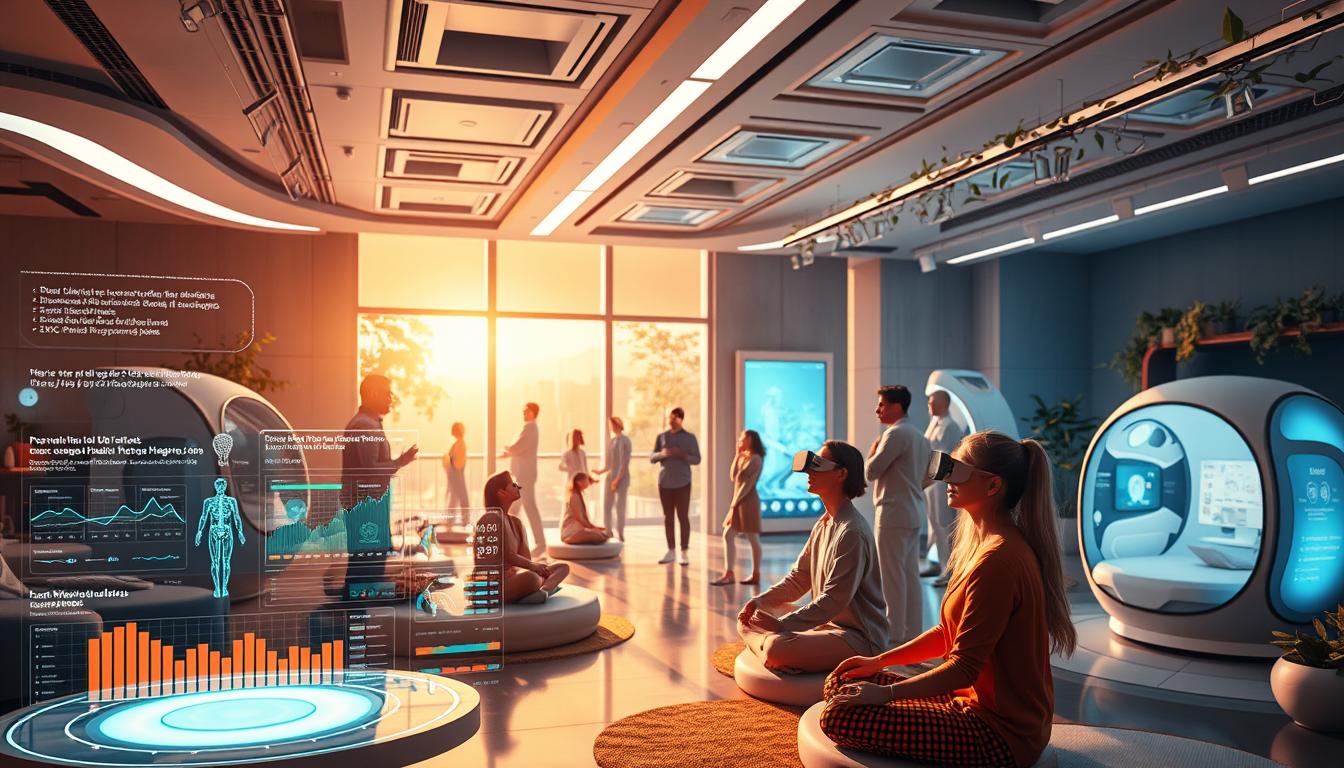
As we navigate the complexities of modern life, a pressing question arises: What does the future hold for our well-being? The health and wellness industry is on the cusp of a revolution, driven by technological advancements, shifting consumer behaviors, and evolving societal needs.
The landscape of health and wellness is transforming, with a growing focus on preventive care, personalized medicine, and holistic approaches to well-being.
As we look to the future, understanding these trends is crucial for individuals, businesses, and healthcare systems alike.
Key Takeaways
Table of Contents
- The health and wellness industry is poised for significant transformation.
- Technological advancements are driving change in healthcare and wellness.
- Personalized and preventive approaches are becoming increasingly important.
- Consumer behaviors and societal needs are shaping the future of health and wellness.
- Staying informed about industry trends is essential for navigating the future.
The Current State and Evolution of Wellness
The wellness industry is undergoing a significant transformation, driven by technological advancements and changing consumer behaviors. This shift is redefining the way we approach health and wellness, incorporating innovative health technologies and more personalized care.
The integration of technology in health practices has led to numerous trends in health and wellness, including the rise of telemedicine, wearable health devices, and AI-powered health applications. These advancements are not only enhancing patient care but also making health services more accessible.
Key Transformations in Health Practices
Several key transformations are underway in health practices, driven by consumer demand for more holistic and preventative care. Some of the notable changes include:
- Increased focus on mental health and wellness
- Growing adoption of digital health solutions
- Personalized medicine and targeted treatments
Why Traditional Approaches Are Changing
Traditional approaches to health and wellness are changing due to the limitations of conventional methods in addressing modern health challenges. The shift towards innovative health technologies is driven by the need for more effective, efficient, and personalized healthcare solutions.
Some of the factors driving this change include the increasing prevalence of chronic diseases, rising healthcare costs, and growing consumer awareness of health and wellness options.
The Future of Health and Wellness Industry: What to Expect
The health and wellness industry is on the cusp of a revolution, driven by technological advancements and shifting consumer behaviors. As we look ahead, it’s clear that the industry will be shaped by a combination of innovative technologies, evolving consumer preferences, and changing market dynamics.
Breakthrough Technologies Reshaping Healthcare
Breakthrough technologies are transforming the healthcare landscape. Some of the key technologies include:
- Artificial Intelligence (AI) in diagnostics and personalized medicine
- Telemedicine and virtual care platforms
- Wearable Health Technology for continuous monitoring
- Genomics and gene editing technologies
These technologies are not only improving healthcare outcomes but also making healthcare more accessible and affordable. For instance, AI-powered diagnostic tools can help doctors identify diseases more accurately and at an early stage.
Consumer Behavior Shifts and Their Impact
Consumer behavior is shifting towards more holistic and preventative approaches to health and wellness. There’s a growing demand for:
- Personalized Health Solutions
- Mental Health Support
- Sustainable and Eco-Friendly Products
- Digital Health Services
This shift is driving the industry towards more consumer-centric models, where services are tailored to individual needs and preferences.
Market Growth Projections for 2023-2030
The global health and wellness market is expected to experience significant growth between 2023 and 2030. Key projections include:
- A compound annual growth rate (CAGR) of 5-7%
- Increased adoption of digital health solutions
- Expansion of the wellness tourism sector
- Growing investment in health technology startups

As the industry continues to evolve, it’s essential for stakeholders to stay informed about the latest trends and technologies shaping the future of health and wellness.
How to Leverage Digital Health Solutions
With the rapid advancement of technology, digital health solutions are revolutionizing the way we approach health and wellness. As we move forward, it’s essential to understand how to effectively leverage these solutions to enhance our well-being.
Step 1: Exploring Telemedicine and Virtual Care Options
Telemedicine and virtual care have become increasingly popular, offering convenient and accessible healthcare services. By exploring these options, individuals can receive medical consultations from the comfort of their own homes, reducing the need for in-person visits.
Some benefits of telemedicine include:
- Increased accessibility to healthcare services
- Reduced wait times for appointments
- Enhanced patient engagement through virtual consultations
Step 2: Selecting the Right Wearable Health Technology
Wearable health technology has seen significant growth, with devices ranging from fitness trackers to smartwatches. When selecting a wearable device, it’s crucial to consider factors such as data accuracy, user interface, and compatibility with existing health apps.
A well-structured comparison can help in making an informed decision. Here’s an example comparing popular wearable devices:
| Device | Data Accuracy | User Interface | Compatibility |
|---|---|---|---|
| Fitbit | High | User-friendly | Compatible with iOS and Android |
| Apple Watch | High | Intuitive | Exclusive to iOS |
| Garmin | Very High | Feature-rich | Compatible with both iOS and Android |
Step 3: Utilizing AI-Powered Health Applications
AI-powered health applications are transforming the way we manage our health. These apps can provide personalized recommendations, track health metrics, and offer insights into overall well-being.
Some key features to look for in AI-powered health apps include:
- Personalized health plans based on user data
- Real-time health monitoring and alerts
- Integration with wearable devices and health records
By leveraging these digital health solutions, individuals can take a proactive approach to their health and wellness, staying ahead of emerging trends in the holistic health market.
Implementing Holistic Wellness Strategies
Implementing holistic wellness strategies is about creating a balanced lifestyle that encompasses mental health, nutrition, and preventative care. This approach recognizes that health and wellness are influenced by a complex interplay of physical, emotional, and environmental factors.

Step 1: Integrating Mental Health into Your Wellness Routine
Integrating mental health into your wellness routine is crucial. Practices such as mindfulness, meditation, and cognitive-behavioral therapy can significantly enhance mental well-being. Mindfulness apps like Headspace and Calm have made it easier to incorporate these practices into daily life.
“The mind is everything; what you think, you become.” – Buddha
Step 2: Adopting Evidence-Based Nutritional Approaches
Adopting evidence-based nutritional approaches is vital for overall health. Diets such as the Mediterranean diet, which is rich in fruits, vegetables, and healthy fats, have been shown to reduce the risk of chronic diseases. Nutritional planning should be personalized, taking into account individual health needs and preferences.
| Diet | Key Components | Health Benefits |
|---|---|---|
| Mediterranean Diet | Fruits, Vegetables, Healthy Fats | Reduces heart disease risk |
| Plant-Based Diet | High in fiber, vitamins, and minerals | Lowers risk of diabetes and certain cancers |
Step 3: Incorporating Preventative Care Practices
Incorporating preventative care practices is essential for maintaining health and preventing illness. Regular health check-ups, vaccinations, and screenings can help identify potential health issues early. Telemedicine has made it more convenient to access preventative care services, especially for those with busy schedules or living in remote areas.
- Schedule regular health check-ups
- Stay up-to-date on recommended vaccinations
- Participate in health screenings appropriate for your age and risk factors
By integrating these holistic wellness strategies into daily life, individuals can achieve a more balanced and healthy lifestyle. The impact of technology on the healthcare industry has made it easier to access resources and support for mental health, nutrition, and preventative care.
Creating Your Personal Future-Ready Wellness Plan
In a rapidly evolving wellness landscape, a future-ready plan is your key to success. As we discussed in previous sections, the future of health and wellness is heavily influenced by technological advancements and shifting consumer behaviors. To stay ahead, it’s essential to create a personalized wellness plan that incorporates these elements.
Step 1: Assessing Your Current Health Status and Goals
The first step in creating your future-ready wellness plan is to assess your current health status and set clear goals. This involves:
- Evaluating your current physical and mental health
- Identifying areas for improvement
- Setting specific, measurable objectives
This assessment will serve as the foundation for your personalized plan.
Step 2: Building a Personalized Technology Stack
Technology plays a crucial role in modern wellness. To build your personalized technology stack, consider:
- Telemedicine and virtual care options
- Wearable health technology
- AI-powered health applications
These tools can help you monitor your health, stay on track with your goals, and make data-driven decisions.
Step 3: Establishing Measurable Health Objectives
Establishing clear, measurable objectives is vital to the success of your wellness plan. Consider using the SMART criteria:
- Specific
- Measurable
- Achievable
- Relevant
- Time-bound
This will help you stay focused and motivated on your wellness journey.
Step 4: Adapting to Emerging Wellness Trends
The wellness industry is constantly evolving, with new trends and technologies emerging regularly. To stay ahead, it’s essential to:
- Stay informed about the latest developments
- Be open to trying new approaches
- Continuously evaluate and adjust your plan as needed
By following these steps, you can create a future-ready wellness plan that supports your health and well-being for years to come.
Conclusion
The future of health and wellness is rapidly evolving, driven by innovative health technologies that are transforming the way we approach our well-being. As we’ve explored, understanding the current state and future expectations of the wellness industry is crucial for making informed decisions about our health.
By leveraging digital health solutions, such as telemedicine and wearable health technology, individuals can take a proactive approach to their wellness. Implementing holistic strategies that integrate mental health, nutritional approaches, and preventative care practices can also have a significant impact.
Creating a personal future-ready wellness plan involves assessing your current health status, building a personalized technology stack, and establishing measurable health objectives. As the wellness landscape continues to evolve, staying adaptable and open to emerging trends is key.
By embracing innovative health technologies and adopting a forward-thinking approach to wellness, individuals can unlock a healthier tomorrow. Start your journey today and discover the benefits of a more integrated, technology-driven approach to health and wellness.
FAQ
What are the key trends shaping the future of the health and wellness industry?
The health and wellness industry is being influenced by several key trends, including the adoption of digital health solutions, a focus on holistic wellness, and the integration of innovative health technologies.
How will breakthrough technologies impact healthcare?
Breakthrough technologies such as AI, telemedicine, and wearable health technology are expected to revolutionize healthcare by improving access, personalization, and outcomes.
What role will consumer behavior shifts play in the future of health and wellness?
Consumer behavior shifts, such as a greater emphasis on preventative care and personalized wellness, will drive the development of new products and services in the health and wellness industry.
What are the market growth projections for the health and wellness industry?
The health and wellness industry is expected to experience significant growth between 2023 and 2030, driven by increasing demand for digital health solutions, holistic wellness services, and innovative health technologies.
How can individuals leverage digital health solutions to improve their wellness?
Individuals can leverage digital health solutions by exploring telemedicine and virtual care options, selecting the right wearable health technology, and utilizing AI-powered health applications.
What are the benefits of implementing holistic wellness strategies?
Implementing holistic wellness strategies, such as integrating mental health into your wellness routine, adopting evidence-based nutritional approaches, and incorporating preventative care practices, can lead to improved overall health and well-being.
How can I create a personal future-ready wellness plan?
To create a personal future-ready wellness plan, assess your current health status and goals, build a personalized technology stack, establish measurable health objectives, and stay adaptable to emerging wellness trends.