
Can a few minutes of daily practice really transform your life? In today’s fast-paced world, stress and anxiety can easily become overwhelming. Mindfulness and meditation offer a powerful antidote, promoting relaxation and inner peace.
By incorporating these practices into your daily routine, you can experience a range of positive effects on both mental and physical health. From reducing stress and anxiety to improving focus and overall well-being, the advantages of mindfulness and meditation are numerous.
Key Takeaways
Table of Contents
- Reduce stress and anxiety through regular practice
- Improve focus and concentration
- Enhance overall well-being
- Promote relaxation and inner peace
- Support mental and physical health
What Are Mindfulness and Meditation?
To truly appreciate the benefits of mindfulness and meditation, one must first understand what these practices entail. Mindfulness and meditation are often used interchangeably, but they have distinct meanings and applications.
Defining Mindfulness
Mindfulness refers to the practice of being fully present and engaged in the current moment, while cultivating a non-judgmental awareness of one’s thoughts, feelings, and bodily sensations. This is achieved through various mindfulness techniques, such as focusing on the breath or observing the surroundings without attachment.
Understanding Meditation
Meditation, on the other hand, is a practice where an individual uses a technique, such as focusing their mind on a particular object, thought, or activity, to achieve a mentally clear and emotionally calm state. Regular meditation has been linked to numerous meditation benefits for well-being, including reduced stress and improved emotional regulation.
The Connection Between Mindfulness and Meditation
While mindfulness and meditation are distinct practices, they are closely interconnected. Mindfulness can be cultivated through meditation, and in turn, meditation can enhance one’s ability to be mindful. Engaging in these mindfulness practices can lead to a more balanced and fulfilling life.
The Benefits of Mindfulness and Meditation
Mindfulness and meditation have been shown to offer a wide range of benefits for overall health and wellness. Regular practice can lead to improvements in both physical and mental health, as well as enhanced emotional well-being.
Physical Health Benefits
The physical health benefits of mindfulness and meditation include several key advantages. Regular practice has been shown to have a positive impact on various physiological processes.
Reduced Blood Pressure and Heart Rate
Meditation has been found to reduce blood pressure and heart rate, contributing to a lower risk of cardiovascular disease.
Improved Immune Function
Studies have indicated that mindfulness and meditation can boost immune function, helping to protect against illness and infection.
Mental Health Improvements
Mindfulness and meditation also offer significant mental health benefits. These practices can help alleviate symptoms of anxiety and depression, while also improving cognitive function.
Anxiety and Depression Reduction
Regular mindfulness practice has been shown to reduce symptoms of anxiety and depression, promoting mental well-being.
Enhanced Cognitive Function
Meditation can improve cognitive function, including attention, memory, and problem-solving ability.
Emotional Well-being
In addition to physical and mental health benefits, mindfulness and meditation can also enhance emotional well-being. These practices can help individuals manage stress and develop greater self-awareness.
Stress Management
Mindfulness and meditation are effective tools for managing stress, helping individuals to remain calm and focused in challenging situations.
Increased Self-Awareness
Regular practice can lead to increased self-awareness, enabling individuals to better understand their thoughts, feelings, and behaviors.

Getting Started with Mindfulness Practices
As you begin your mindfulness journey, it’s essential to understand the foundational practices that will support your progress. Mindfulness is not just about meditation; it’s a way of living that can be cultivated through various techniques and practices.
Creating Your Meditation Space
Designate a quiet, comfortable space for meditation, free from distractions. This could be a corner of your bedroom or a peaceful outdoor spot.
Setting Realistic Goals
Start with achievable goals, such as meditating for 5-10 minutes a day. As you become more comfortable with the practice, you can gradually increase the duration.
Essential Equipment and Resources
While you don’t need much to start practicing mindfulness, a good meditation cushion or chair can enhance your experience. There are also numerous apps and online resources available to guide you.
Finding the Right Time in Your Schedule
Identify a consistent time of day that works for you, whether it’s early morning or during your lunch break. Consistency is key to developing a mindfulness practice.
| Tips for Mindfulness Practice | Benefits |
|---|---|
| Start small | Reduces overwhelm and increases consistency |
| Be consistent | Develops a habit and enhances benefits |
| Use guided resources | Helps beginners stay on track and learn techniques |
5 Essential Mindfulness Techniques for Beginners
For those new to mindfulness, incorporating simple yet effective practices into daily life can significantly enhance well-being. Mindfulness is about being present in the moment, and with regular practice, it can lead to reduced stress and improved mental clarity.
Mindful Breathing Exercise
Mindful breathing is a foundational technique that involves focusing on your breath to calm the mind. It helps in reducing stress and improving concentration.
Step-by-Step Instructions
To practice mindful breathing, find a quiet spot, sit comfortably, and focus on your breath, observing its sensation and rhythm without trying to control it.
Body Scan Meditation
Body scan meditation involves paying attention to different parts of your body, starting from your toes and moving up to your head, releasing any tension you find. This practice promotes relaxation and body awareness.
Step-by-Step Instructions
Lie down or sit comfortably, close your eyes, and bring your attention to different body parts, noticing sensations without judgment.
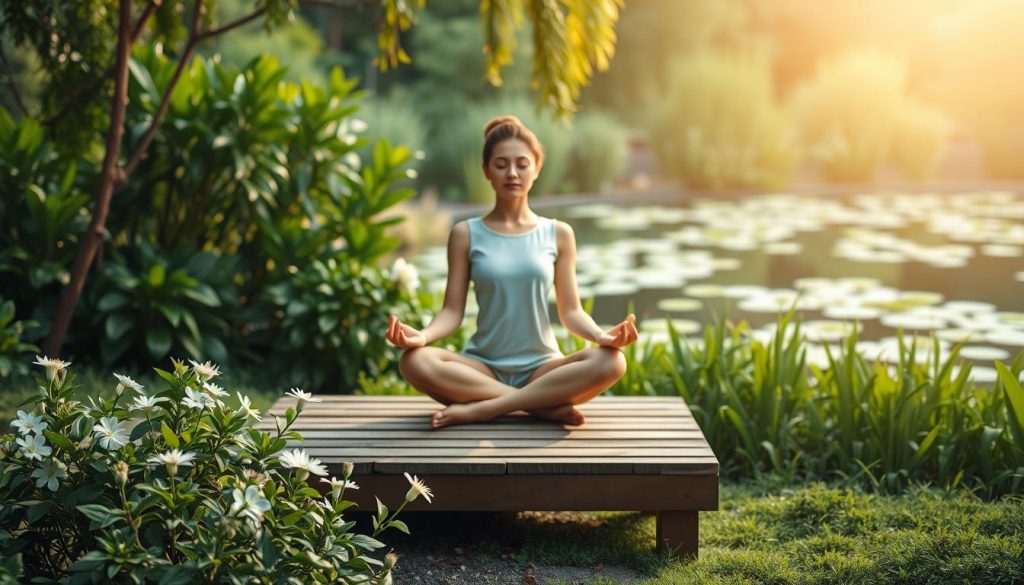
Walking Meditation
Walking meditation combines physical movement with mindfulness, encouraging a deeper connection with your surroundings and a sense of calm.
Step-by-Step Instructions
Choose a quiet path, walk slowly, and pay attention to the sensation of your feet touching the ground, the movement of your legs, and your surroundings.
Mindful Eating Practice
Mindful eating involves savoring your food, paying attention to its taste, texture, and smell, which can enhance your dining experience and promote healthier eating habits.
Step-by-Step Instructions
Eat slowly, focus on the food’s sensory qualities, and chew thoroughly, enjoying the experience.
Loving-Kindness Meditation
Loving-kindness meditation focuses on cultivating compassion and kindness towards yourself and others, promoting a sense of connection and well-being.
Step-by-Step Instructions
Find a comfortable position, close your eyes, and silently repeat phrases of kindness to yourself and others, such as “May I be happy, may I be healthy.”
By incorporating these mindfulness techniques into your daily routine, you can experience the meditation benefits for well-being and enjoy a more balanced life. Regular practice can lead to stress relief and improved mental health.
Overcoming Common Challenges in Meditation
Many people face common hurdles when practicing meditation, but with the right strategies, these can be overcome. Establishing a consistent meditation practice can be challenging, but understanding the obstacles and how to navigate them is crucial for success.
Dealing with Wandering Thoughts
One of the most common challenges is dealing with wandering thoughts. Meditation isn’t about achieving a blank mind; it’s about learning to observe your thoughts without judgment. When your mind wanders, gently acknowledge the thought and refocus on your chosen meditation object, such as your breath.
Finding Time in a Busy Schedule
Finding time to meditate can be difficult, but even a few minutes a day can be beneficial. Try incorporating meditation into your daily routine, such as right after waking up or before bed. Consistency is key, so start with a manageable daily goal.
Maintaining Consistency and Building Habits
Maintaining consistency is vital for experiencing the benefits of mindfulness and meditation. Make meditation a habit by setting reminders or choosing a meditation buddy to keep you accountable.
Managing Expectations and Progress
Managing your expectations is also important. Meditation is a practice that evolves over time. Be patient with your progress, and remember that the meditation advantages are cumulative.
By understanding and addressing these common challenges, you can enhance your meditation practice and enjoy the many benefits of mindfulness and meditation.
Incorporating Mindfulness into Your Daily Life
Mindfulness is not just a practice but a way of living that can be seamlessly integrated into daily activities. By incorporating mindfulness into our daily routines, we can experience a range of mindfulness benefits that enhance our overall quality of life.
Mindfulness at Work and School
Applying mindfulness at work or school can lead to significant mental health benefits, including reduced stress and improved focus. Simple mindfulness exercises, such as deep breathing or short meditation breaks, can be easily integrated into a busy schedule.
Mindful Communication and Relationships
Mindful communication involves being fully present and engaged in interactions with others. This can lead to more empathetic and meaningful relationships. Practicing mindfulness in communication can help reduce misunderstandings and improve overall relationship satisfaction.

Mindfulness for Better Sleep
Establishing a mindfulness practice can also improve sleep quality. Techniques such as body scan meditation or mindful breathing before bed can help calm the mind and prepare the body for restful sleep.
Using Apps and Technology to Support Your Practice
There are numerous apps and digital tools available that can support your mindfulness practice, offering guided meditations and tracking features. Leveraging these resources can enhance your mindfulness techniques and help maintain consistency in your practice.
Conclusion
As we’ve explored throughout this article, incorporating mindfulness and meditation into your daily routine can have a profound impact on both physical and mental health. The benefits of mindfulness and meditation are numerous, ranging from reduced stress and anxiety to improved emotional well-being.
By committing to a regular mindfulness practice, you can experience these meditation benefits for well-being firsthand. Whether it’s through mindful breathing exercises, body scan meditation, or simply paying attention to your thoughts and emotions, the key is consistency and patience.
As you continue on your mindfulness journey, remember that it’s a personal and ongoing process. Be gentle with yourself, and don’t be discouraged by setbacks. With time and dedication, you can cultivate a greater sense of calm, clarity, and overall well-being.
FAQ
What are the primary benefits of practicing mindfulness and meditation?
The primary benefits include reduced stress and anxiety, improved mental clarity, enhanced emotional well-being, and better overall health. Regular practice can also lead to improved sleep quality, increased self-awareness, and a stronger immune system.
How do I start a mindfulness or meditation practice if I’m a beginner?
Start by setting aside a quiet, dedicated space for practice. Begin with short sessions, such as 5-10 minutes, and gradually increase the duration as you become more comfortable with the practice. You can use guided meditation apps or videos to help you get started.
Can mindfulness and meditation help with anxiety and depression?
Yes, mindfulness and meditation have been shown to be effective in reducing symptoms of anxiety and depression. These practices can help you develop greater self-awareness, allowing you to better manage your thoughts and emotions.
How can I incorporate mindfulness into my daily routine?
You can incorporate mindfulness into your daily routine by practicing mindful breathing, eating, or walking. You can also bring mindfulness into your daily activities, such as showering or driving, by focusing on the sensations and experiences in the present moment.
What are some common challenges people face when starting a meditation practice, and how can they be overcome?
Common challenges include dealing with wandering thoughts, finding time, and maintaining consistency. To overcome these challenges, try setting realistic goals, using guided meditations, and making meditation a habit by incorporating it into your daily routine.
Are there any recommended mindfulness or meditation apps or resources for beginners?
Yes, there are several highly-rated apps and resources available, including Headspace, Calm, and Insight Timer. These platforms offer guided meditations, tutorials, and tracking features to help you establish and maintain a consistent practice.
Can mindfulness and meditation be practiced by anyone, regardless of age or ability?
Yes, mindfulness and meditation can be practiced by anyone, regardless of age or ability. These practices are adaptable and can be modified to suit individual needs and circumstances.