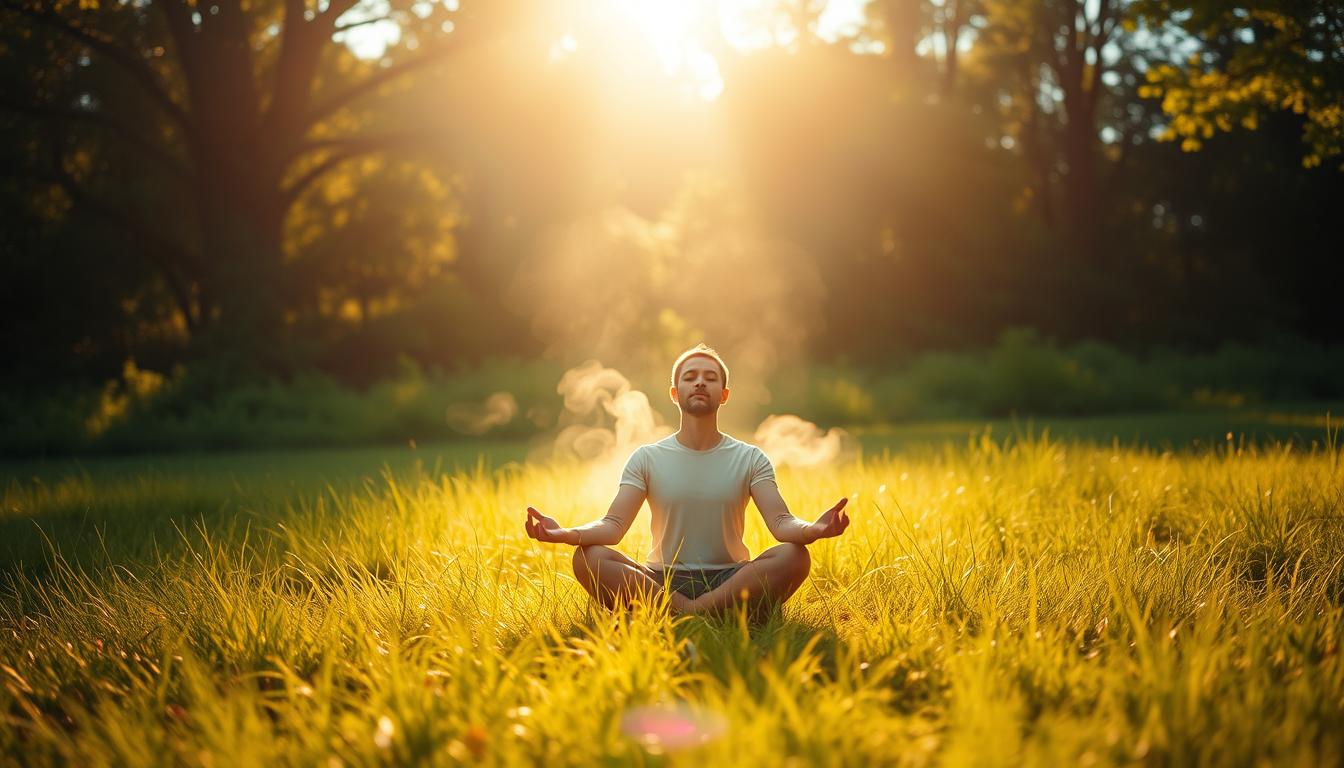
Can a few minutes of calm each day truly transform your life? In today’s fast-paced world, finding peace can seem like a luxury. Yet, cultivating calm through simple, daily habits can be a powerful tool for improving mental well-being.
For those new to the concept, mindfulness offers a straightforward way to start this journey. By incorporating simple mindfulness exercises into your daily routine, you can begin to experience the benefits of a calmer, more centered you.
As you explore this article, you’ll discover practical tips and techniques designed to help you get started on your path to calm. Whether you’re looking to reduce stress or simply find more balance in your life, these daily mindfulness practices can be a valuable resource.
Key Takeaways
Table of Contents
- Simple mindfulness exercises can be easily incorporated into daily life.
- Starting with short mindfulness practices can lead to significant benefits.
- Mindfulness is a powerful tool for reducing stress and improving mental well-being.
- Consistency is key to experiencing the full benefits of mindfulness.
- Beginners can start with guided mindfulness exercises for better results.
Understanding Mindfulness: The Foundation for Inner Peace
To embark on a mindfulness journey, it’s essential to understand its core principles. Mindfulness is more than just a practice; it’s a way of living that cultivates awareness and presence.
What Mindfulness Actually Means
Mindfulness is the practice of being fully present and engaged in the current moment, while cultivating a non-judgmental awareness of one’s thoughts, feelings, and bodily sensations. It’s about paying attention to the present moment with openness and curiosity. By doing so, individuals can develop a greater understanding of themselves and their experiences.
The Science Behind Mindfulness
Research has shown that regular mindfulness practice can lead to changes in the brain, particularly in areas related to attention, emotion regulation, and memory. Mindfulness meditation has been found to reduce stress, improve emotional well-being, and enhance cognitive function. By understanding the science behind mindfulness, individuals can better appreciate its benefits and be motivated to incorporate it into their daily lives.
The Benefits of Consistent Mindfulness Practice
Incorporating mindfulness into daily life can have a profound impact on mental and physical health. Regular mindfulness practice has been shown to reduce stress, improve emotional regulation, and enhance overall well-being.
Mental Health Benefits
Mindfulness practice is known to have a positive impact on mental health. This includes:
Stress Reduction and Anxiety Management
By focusing on the present, mindfulness helps reduce stress and anxiety. Mindfulness exercises such as deep breathing can calm the mind.
Improved Emotional Regulation
Mindfulness improves emotional regulation by making individuals more aware of their thoughts and feelings. This awareness allows for better management of emotions.
Physical Health Improvements
Consistent mindfulness practice also benefits physical health. Some of the improvements include:
Lower Blood Pressure and Heart Rate
Studies have shown that regular mindfulness practice can lead to lower blood pressure and heart rate, contributing to overall cardiovascular health.
Better Sleep Quality
Mindfulness can also improve sleep quality by reducing stress and promoting relaxation. Beginner mindfulness tips often include guided meditations to help with sleep.
Enhanced Focus and Productivity
Regular mindfulness practice can improve focus and productivity. By training the mind to stay present, individuals can accomplish tasks more efficiently. A list of benefits includes:
- Increased concentration
- Better time management
- Enhanced creativity
As
“The mind is everything; what you think, you become.” – Buddha

Daily Mindfulness Practices for Beginners
For those new to mindfulness, incorporating daily practices into your routine can have a significant impact on overall well-being. By starting with simple and achievable mindfulness exercises, beginners can lay the foundation for a consistent practice that enhances both mental and physical health.
Morning Mindfulness Rituals
Beginning the day with mindfulness sets a positive tone. Mindful waking and intention setting can be as simple as taking a few deep breaths upon waking and setting a daily intention.
Mindful Waking and Intention Setting
When you wake up, take a moment to breathe deeply and set an intention for the day. This could be as straightforward as “Today, I intend to stay present” or “I aim to be kinder to myself.”
Conscious Breathing Before Starting Your Day
Before getting out of bed, practice conscious breathing. Take slow, deep breaths, focusing on the sensation of the breath moving in and out of your body.
Midday Reset Techniques
Midday can be a challenging time, especially when faced with a busy schedule. Incorporating short mindfulness practices can help reset your focus.
One-Minute Breathing Breaks
Take a one-minute breathing break to step away from your tasks. Focus on your breath, noticing its texture and sensation.
Mindful Lunch Practice
Eat your lunch mindfully by paying attention to the taste, texture, and smell of your food. This practice can transform a routine meal into a nourishing experience.
Evening Wind-Down Practices
As the day comes to a close, mindfulness practices can help you unwind and prepare for restful sleep.
Gratitude Reflection
Take a moment to reflect on the things you’re grateful for. This could be done by writing in a gratitude journal or simply taking a moment of silent reflection.
Body Relaxation Sequence
Practice a body relaxation sequence by tensing and then relaxing different muscle groups in your body, starting from your toes and moving up to your head.
5-Minute Mindfulness Exercises Anyone Can Do
Quick mindfulness exercises can easily fit into your busy schedule, promoting calm and focus. Mindfulness is not about spending hours in meditation; it’s about being present in the moment, and that can be achieved in just a few minutes.
Mindful Breathing Techniques
Mindful breathing is a powerful tool for calming the mind. Two effective techniques include:
- 4-7-8 Breathing Method: Breathe in through your nose for 4 seconds, hold your breath for 7 seconds, and exhale through your mouth for 8 seconds.
- Box Breathing Practice: Inhale for 4 seconds, hold for 4 seconds, exhale for 4 seconds, and hold again for 4 seconds, creating a “box” shape with your breath.
Body Scan Practice
A body scan involves lying down or sitting comfortably and bringing awareness to different parts of your body, starting from your toes and moving up to your head. This practice helps release physical tension and promotes relaxation.

Sensory Awareness Exercises
Sensory awareness exercises help you connect with your surroundings. Techniques include:
- The 5-4-3-2-1 Technique: Notice 5 things you can see, 4 things you can touch, 3 things you can hear, 2 things you can smell, and 1 thing you can taste.
- Mindful Listening Practice: Focus on the sounds around you, noticing their pitch, volume, and tone without judgment.
These mindfulness exercises are simple, effective, and can be done anywhere, making them perfect for beginners looking to incorporate mindfulness into their daily routine.
Incorporating Mindfulness Into Everyday Activities
Everyday activities offer a wealth of opportunities to practice mindfulness and cultivate a deeper sense of calm. By incorporating mindfulness into daily tasks, individuals can transform routine actions into moments of reflection and peace.
Mindful Eating
Mindful eating involves paying full attention to the experience of eating and drinking. It’s about noticing the colors, smells, textures, and flavors of food, as well as the sensations of hunger and fullness.
The Raisin Exercise
One simple yet powerful exercise is the raisin exercise. This involves taking a raisin and examining it as if you’ve never seen anything like it before. Notice its color, shape, and texture. Then, slowly bring it to your nose and smell it. Finally, place it in your mouth and chew slowly, savoring the flavors. This exercise can be done with any food, turning eating into a meditative experience.
Transforming Meals Into Meditation
Meals can be transformed into meditation by eating slowly, savoring each bite, and paying attention to the sensations in your mouth and throat. “The way we eat our food is a metaphor for the way we live our lives,” as Jon Kabat-Zinn once said. By eating mindfully, we can enjoy our food more and develop a healthier relationship with eating.
Mindful Walking
Mindful walking is another way to bring mindfulness into daily activities. It involves paying attention to your surroundings, the sensation of your feet touching the ground, and the rhythm of your breath. By focusing on the present moment, you can turn a simple walk into a meditative experience.
Mindful Communication
Mindful communication is about being fully present in your interactions with others. It involves listening carefully and responding thoughtfully.
Active Listening Techniques
Active listening involves giving the speaker your undivided attention. It’s about hearing not just their words, but also the emotions and intentions behind them. By listening mindfully, you can deepen your connections with others and respond more compassionately.
Responding vs. Reacting
Responding thoughtfully rather than reacting impulsively is a key aspect of mindful communication. It involves taking a moment to reflect before speaking, considering the impact of your words, and choosing a response that is kind and constructive.
By incorporating mindfulness into everyday activities like eating, walking, and communication, we can cultivate a greater sense of awareness and appreciation for the present moment. This can lead to a more peaceful and fulfilling life.
Overcoming Common Mindfulness Challenges
Mindfulness practice is not without its obstacles, and beginners often face common challenges that can be overcome with the right strategies. As you start your mindfulness journey, it’s essential to be aware of these potential hurdles.
Dealing With a Wandering Mind
One of the most common challenges is dealing with a wandering mind. It’s easy to get distracted and lose focus during mindfulness exercises. Gently acknowledge the distraction and refocus your attention on your breath or chosen meditation object. With consistent practice, you’ll improve your ability to maintain focus.
Finding Time in a Busy Schedule
Finding time for mindfulness in a busy schedule can be tough. To overcome this, consider habit stacking and micro-mindfulness moments.
Habit Stacking Strategies
Habit stacking involves incorporating mindfulness into your daily routine by attaching it to an existing habit. For example, take a few deep breaths while brushing your teeth or right after waking up.
Micro-Mindfulness Moments
Micro-mindfulness moments are brief mindfulness exercises that can be done anywhere, anytime. Take a few seconds to focus on your breath while waiting in line or during a short break at work.
Staying Consistent With Your Practice
Consistency is key to experiencing the benefits of mindfulness. Start small and be consistent, even if it’s just a few minutes a day. As you make mindfulness a habit, you’ll find it easier to maintain your practice over time.
Tools and Resources to Support Your Mindfulness Journey
The journey to mindfulness is more enjoyable with the right companions – apps, books, and communities that guide and support you. As you embark on this path, having access to a variety of tools can enhance your practice and keep you motivated.
Recommended Apps for Beginners
For those new to mindfulness, apps can be a great starting point. Some highly recommended options include:
- Headspace: Offers guided meditations tailored to different needs and experience levels.
- Calm: Features a wide range of mindfulness exercises, including sleep stories and relaxing music.
- Insight Timer: Provides a vast library of free guided meditations and tracks progress.
Helpful Books and Guided Meditations
For a more traditional approach, books and guided meditations can be incredibly beneficial. Consider the following:
- “The Miracle of Mindfulness” by Thich Nhat Hanh: A classic guide to mindfulness practices.
- “Wherever You Go, There You Are” by Jon Kabat-Zinn: Explores the concept of mindfulness in daily life.
- Guided meditations by Jon Kabat-Zinn and Sharon Salzberg on platforms like Insight Timer.
Community Resources and Classes
Connecting with others on a similar journey can be incredibly supportive. Look for:
Online Communities
- Reddit’s r/Mindfulness: A community sharing experiences, tips, and resources.
- Mindfulness forums on platforms like Discord.
Local Mindfulness Groups
- Meetup.com: Find local groups that organize mindfulness events and meditation sessions.
- Local yoga studios and wellness centers often host mindfulness classes.
Conclusion: Your Path to Daily Calm Through Mindfulness
Establishing a daily mindfulness routine can be a transformative experience, especially for those new to meditation. By incorporating beginner meditation techniques into your daily life, you can cultivate a sense of calm and clarity that permeates every aspect of your being.
Throughout this article, we’ve explored the benefits of mindfulness, from its impact on mental and physical health to its ability to enhance focus and productivity. We’ve also discussed practical ways to integrate mindfulness into your daily activities, such as mindful eating, walking, and communication.
As you embark on your mindfulness journey, remember that consistency is key. Start with small, manageable steps, and be patient with yourself as you develop your practice. With time and dedication, you’ll find that mindfulness becomes an indispensable part of your daily routine, helping you navigate life’s challenges with greater ease and serenity.
Begin your path to daily calm today by committing to a daily mindfulness routine and exploring beginner meditation techniques that resonate with you.
FAQ
What is mindfulness, and how does it differ from meditation?
Mindfulness is the practice of being present and fully engaged in the current moment, while meditation is a specific technique used to cultivate mindfulness. Mindfulness can be practiced through various activities, such as breathing, walking, or eating, whereas meditation typically involves focusing on a specific object or mantra.
How do I start a daily mindfulness practice as a beginner?
Start by setting aside a few minutes each day to practice mindfulness. You can begin with simple exercises like mindful breathing, body scan, or mindful walking. You can also use guided meditations or mindfulness apps like Headspace or Calm to help you get started.
What are some daily mindfulness practices that I can incorporate into my routine?
You can try morning mindfulness rituals like mindful waking and intention setting, midday reset techniques like one-minute breathing breaks, or evening wind-down practices like gratitude reflection and body relaxation sequence. You can also incorporate mindfulness into daily activities like eating, walking, or communication.
How can mindfulness help with stress and anxiety?
Mindfulness has been shown to reduce stress and anxiety by teaching individuals to focus on the present moment and let go of worries about the past or future. Regular mindfulness practice can also help improve emotional regulation and reduce symptoms of anxiety and depression.
What are some common challenges that beginners face when starting a mindfulness practice, and how can I overcome them?
Common challenges include dealing with a wandering mind, finding time in a busy schedule, and staying consistent with your practice. You can overcome these challenges by using habit stacking strategies, incorporating micro-mindfulness moments into your day, and finding a mindfulness community or accountability partner.
Are there any recommended resources or tools that can support my mindfulness journey?
Yes, there are many resources available, including mindfulness apps like Insight Timer or Buddhify, books like “The Miracle of Mindfulness” by Thich Nhat Hanh, and guided meditations on YouTube or podcasts. You can also join online mindfulness communities or local mindfulness groups to connect with others who share your interest in mindfulness.
How can I make mindfulness a habit and incorporate it into my daily routine?
To make mindfulness a habit, start by committing to a regular practice schedule, even if it’s just a few minutes a day. You can also incorporate mindfulness into daily activities like brushing your teeth or taking a shower, and use reminders or cues to help you stay on track.