
Are you tired of feeling overwhelmed and stressed? Guided meditation offers a powerful tool for achieving relaxation and reducing anxiety.
By leveraging relaxation techniques, individuals can better manage stress and improve their overall well-being. Guided meditation for stress relief is a practice that involves following a gentle, soothing voice that guides you through a series of calming exercises and visualizations.
This technique has gained popularity for its ability to calm the mind and promote a sense of inner peace. As we explore the benefits and practices of guided meditation, you’ll discover how it can be a valuable addition to your stress relief toolkit.
Key Takeaways
Table of Contents
- Understand the basics of guided meditation and its role in stress relief.
- Learn various relaxation techniques to manage stress effectively.
- Discover the benefits of incorporating guided meditation into your daily routine.
- Explore different methods for practicing guided meditation.
- Find out how guided meditation can improve overall well-being.
Understanding Stress and Its Impact on Your Well-being
In today’s fast-paced world, understanding stress and its impact is crucial for maintaining overall health. Stress is a natural response to the demands and pressures of life, but when it becomes chronic, it can have severe consequences on both physical and mental health.
How Chronic Stress Affects Your Body and Mind
Chronic stress can lead to a variety of health issues, including anxiety, depression, and cardiovascular disease. It can also affect the immune system, making us more susceptible to illnesses. Practicing mindfulness practices can help mitigate these effects by promoting relaxation and reducing anxiety.
The Science Behind Stress Response
When we experience stress, our body’s “fight or flight” response is triggered, releasing stress hormones like cortisol. Elevated cortisol levels over time can have detrimental effects on the body, including weight gain, insomnia, and mood disturbances. Understanding this process is key to finding effective ways to reduce anxiety and manage stress.
| Stress Impact | Physical Effects | Mental Effects |
|---|---|---|
| Short-term Stress | Increased heart rate, rapid breathing | Alertness, focus |
| Chronic Stress | Cardiovascular disease, weakened immune system | Anxiety, depression, mood swings |
What is Guided Meditation for Stress Relief?
By leveraging guided meditation, individuals can better manage stress and improve their mental health. Guided meditation is a form of meditation that involves following a guide or teacher who leads the listener through a series of steps or visualizations to achieve a state of relaxation and calmness.
The Fundamentals of Guided Meditation
Guided meditation typically involves a narrator who guides the listener through a meditation practice, often using visualization techniques, breathing exercises, or progressive muscle relaxation. This type of meditation is particularly helpful for those new to meditation or those who struggle with maintaining focus.
How Guided Meditation Differs from Other Meditation Practices
Unlike other forms of meditation that may require a practitioner to focus on a mantra or their breath, guided meditation provides a structured experience, making it easier for individuals to stay on track and achieve a meditative state. This can be particularly beneficial for those seeking meditation for calmness and stress relief.
| Key Features | Guided Meditation | Other Meditation Practices |
|---|---|---|
| Guidance | Provided by a narrator or guide | Self-directed or based on a mantra |
| Structure | Structured experience with visualizations or exercises | Variable structure, often based on personal focus |
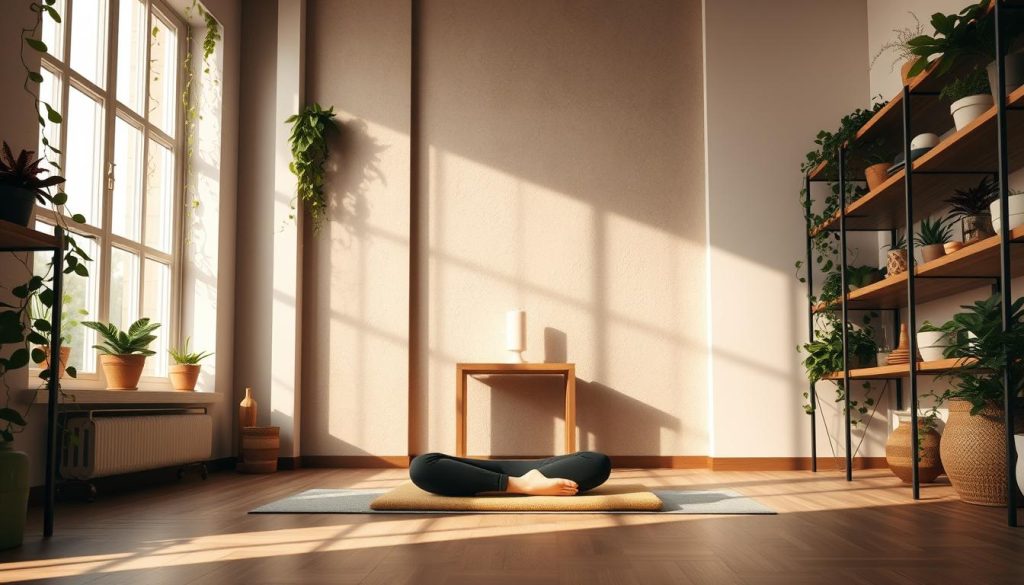
Guided meditation offers a unique approach to achieving relaxation and reducing stress. By understanding its fundamentals and how it differs from other practices, individuals can make informed choices about their meditation practice.
The Proven Benefits of Meditation for Stress Management
Meditation has emerged as a powerful tool for managing stress, offering a range of benefits that improve overall well-being. By reducing the body’s stress response, meditation can lead to a more balanced and healthy life.
Physical Benefits: Lowering Blood Pressure and Cortisol Levels
Regular meditation practice has been shown to lower blood pressure and reduce cortisol levels, a hormone closely associated with stress. Lower cortisol levels can lead to a decrease in stress-related symptoms, improving overall physical health. Studies have demonstrated that meditation can positively impact cardiovascular health by reducing the risk of heart disease.
Mental and Emotional Benefits: Clarity and Emotional Regulation
Meditation also offers significant mental and emotional benefits, including improved clarity and emotional regulation. By practicing meditation, individuals can better manage their emotions, leading to increased resilience against stress. Mindfulness meditation, in particular, has been shown to enhance emotional well-being by promoting a positive outlook and reducing symptoms of anxiety and depression.
Preparing for Your Guided Meditation Practice
To embark on a successful guided meditation journey, preparation is key. A well-prepared environment and mindset can significantly enhance the benefits of guided visualization and meditation.
Creating the Ideal Environment for Meditation
Creating a conducive environment is crucial for an effective guided meditation practice. Find a quiet, comfortable space where you can sit or lie down without distractions. Consider using calming elements like soft lighting or soothing scents to create a peaceful ambiance.
- Dim or turn off harsh lights
- Use aromatherapy or essential oils
- Minimize external noise
Best Times of Day for Stress-Relief Meditation
The best time for guided meditation depends on your personal schedule and preferences. Many find that meditating in the morning helps set a positive tone for the day, while others prefer the evening to unwind before bed.
Essential Props and Tools to Enhance Your Practice
While not necessary, certain props and tools can enhance your guided meditation experience. Consider using a meditation cushion, a guided meditation app, or calming music to support your practice.

By preparing your environment, choosing the right time, and utilizing helpful tools, you can deepen your guided meditation practice and enjoy greater stress relief.
Step-by-Step Guided Meditation for Stress Relief
With the pressures of modern life mounting, guided meditation offers a sanctuary of calm and a respite from stress. By following a structured approach, you can harness the full potential of guided meditation to achieve peace of mind and reduce stress.
Finding Your Comfortable Position
The first step in your guided meditation practice is to find a comfortable position. You can sit on a chair, cushion on the floor, or even lie down, ensuring your back is straight and your body is relaxed. Take a moment to adjust your posture, feeling the weight of your body distributed evenly, and allow your muscles to release any tension.
Breathing Techniques for Initial Relaxation
Begin your meditation by focusing on your breath. Inhale deeply through your nose, filling your lungs completely, and then exhale slowly through your mouth. Repeat this process several times, feeling your body relax with each breath. This breathing technique helps calm your mind and prepares you for the guided visualization that follows.
Guided Visualization for Releasing Tension
Once you’re relaxed, bring your attention to a guided visualization. Imagine yourself in a peaceful environment, such as a serene beach or a tranquil forest. Visualize the sights, sounds, and sensations in detail, allowing yourself to fully immerse in this calming scene. As you visualize, release any tension or stress you’re holding onto, letting it melt away with each breath.
Complete 10-Minute Guided Meditation Script
Here’s a simple 10-minute guided meditation script to follow:
- Minutes 1-2: Find your comfortable position and begin with deep breathing exercises.
- Minutes 3-5: Gradually shift to a guided visualization, imagining a peaceful place.
- Minutes 6-8: As you visualize, focus on releasing tension and stress.
- Minutes 9-10: Slowly bring your attention back to your breath, and when you’re ready, open your eyes, feeling refreshed and calm.
By practicing this guided meditation for stress relief regularly, you can cultivate a deeper sense of peace of mind and improve your ability to manage stress.
Overcoming Common Challenges in Meditation Practice
To truly reap the benefits of meditation, it’s essential to address the common challenges that many practitioners encounter. Meditation is a practice that requires patience, dedication, and understanding. By acknowledging and overcoming the obstacles that arise, you can deepen your practice and enhance your overall well-being.
Dealing with a Wandering Mind
One of the most common challenges in meditation is dealing with a wandering mind. It’s natural for your thoughts to drift, but the key is to gently bring your focus back to your chosen meditation object, such as your breath or a mantra. Regular practice helps improve your ability to concentrate and reduces mind-wandering over time.
A helpful technique is to acknowledge your thoughts without judgment and let them pass, much like clouds moving across the sky. This approach allows you to cultivate a sense of detachment and maintain your focus on the meditation practice.
Making Time for Regular Practice
Finding time to meditate can be challenging, especially with a busy schedule. However, even a few minutes of meditation each day can be beneficial. To make meditation a habit, try incorporating it into your daily routine, such as right after waking up or before bed.
Creating a reminder or scheduling meditation time in your calendar can also help ensure consistency. By prioritizing your meditation practice, you’ll find it becomes an integral and enjoyable part of your daily life.
Using Technology to Support Your Meditation Journey
In today’s digital age, technology can be a valuable ally in your meditation practice. There are numerous apps and online resources available that offer guided meditations, timers, and tracking features to help you stay on course.
| App | Features | Cost |
|---|---|---|
| Headspace | Guided meditations, personalized progress tracking | Free trial, subscription-based |
| Calm | Guided meditations, sleep stories, relaxing music | Free trial, subscription-based |
| Insight Timer | Free guided meditations, timer for personal practice | Free, with optional premium features |
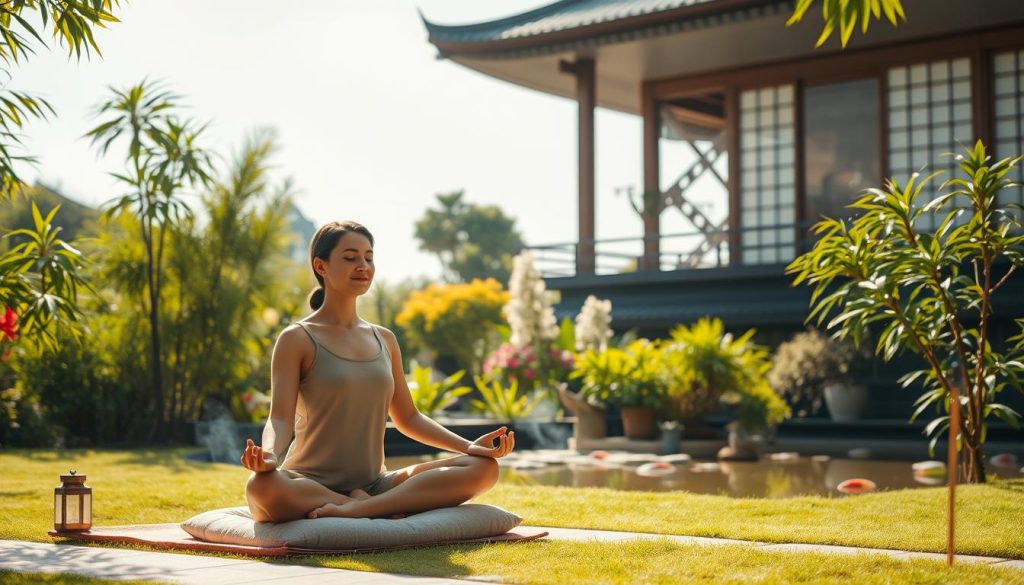
By leveraging these tools and strategies, you can overcome common challenges and maintain a consistent and rewarding meditation practice. Whether you’re a beginner or an experienced meditator, the right support can make all the difference in your journey towards greater relaxation and mindfulness.
Conclusion: Integrating Guided Meditation into Your Daily Life
Guided meditation can be a powerful tool for reducing stress and anxiety, leading to improved mental health. By incorporating this practice into your daily routine, you can experience the numerous benefits discussed throughout this guide.
To make guided meditation a habit, start by setting aside a few minutes each day to practice. Begin with short sessions and gradually increase the duration as you become more comfortable with the practice. Consistency is key to experiencing the positive effects of guided meditation on your mental well-being.
By committing to regular guided meditation practice, you can reduce anxiety and improve your overall mental health. This, in turn, can lead to a more balanced and fulfilling life. Explore various guided meditation resources, such as apps like Calm or Headspace, to find what works best for you.
Embracing guided meditation as a daily habit can have a profound impact on your overall well-being, enabling you to navigate life’s challenges with greater ease and resilience.
FAQ
What is guided meditation, and how does it help with stress relief?
Guided meditation is a technique that involves listening to a gentle, guiding voice that leads you through a meditation practice, often using visualization, breathing techniques, or body scan to help you relax and reduce stress. Regular practice can help calm your mind, reduce anxiety, and promote overall well-being.
How often should I practice guided meditation for stress relief?
For optimal benefits, it’s recommended to practice guided meditation daily, even if it’s just for a few minutes. Consistency is key to experiencing the positive effects of meditation on stress relief and overall mental health.
Can guided meditation be used in conjunction with other stress management techniques?
Absolutely. Guided meditation can be used alongside other stress management techniques, such as yoga, deep breathing, or exercise, to enhance their benefits and promote a more balanced lifestyle.
How can I incorporate mindfulness practices into my daily routine?
You can incorporate mindfulness practices into your daily routine by setting aside a few minutes each day to focus on your breath, body sensations, or surroundings. Mindfulness practices, such as body scan or mindful walking, can be done anywhere, making it easy to fit them into your busy schedule.
What are some tips for reducing anxiety through meditation?
To reduce anxiety through meditation, focus on cultivating a non-judgmental awareness of your thoughts and emotions. Use guided meditations that target anxiety, and practice regularly to develop greater emotional regulation and resilience.
Can guided visualization help improve my mental health?
Yes, guided visualization can be a powerful tool for improving mental health by promoting relaxation, reducing stress, and enhancing overall well-being. By using visualization techniques, you can calm your mind, boost your mood, and develop a more positive outlook.
How can I make time for regular meditation practice?
To make time for regular meditation practice, start by setting aside a specific time and space for meditation each day. Be consistent, and begin with short sessions, gradually increasing the duration as you become more comfortable with the practice.
What are some common challenges people face when starting a meditation practice, and how can they be overcome?
Common challenges include a wandering mind, difficulty finding time, and feeling uncomfortable or restless. To overcome these challenges, try to be patient and gentle with yourself, use guided meditations to help you stay focused, and experiment with different techniques and environments to find what works best for you.